Coherent Breathing for Focus and Wellness
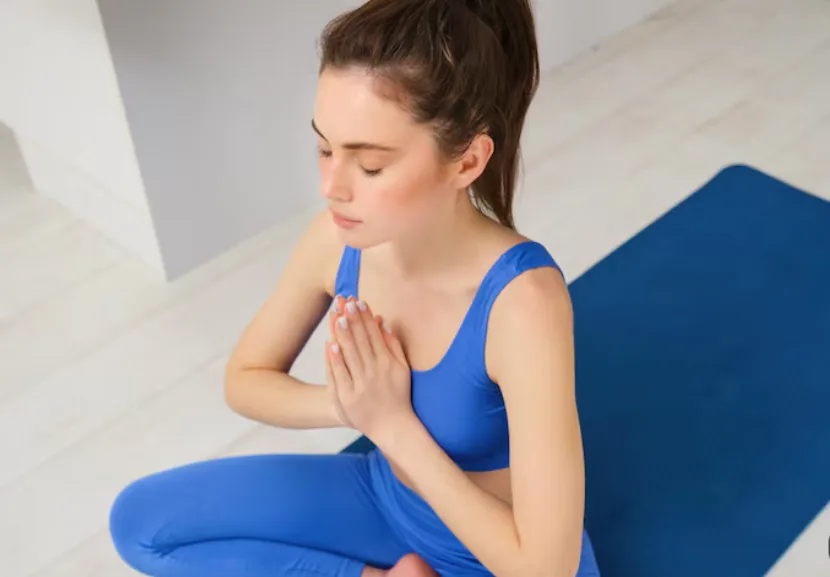
Maintaining mental clarity, emotional balance, and concentration can be challenging in today's busy world. Work responsibilities, personal commitments, digital distractions, and everyday stress can make it difficult to stay focused and relaxed. One simple technique that can support overall well-being is controlled breathing. By paying attention to breathing patterns and practicing gentle breathing exercises, individuals can develop healthier ways to manage stress, improve awareness, and maintain concentration.
Coherent breathing is a relaxation technique that involves breathing at a slow, steady, and consistent rhythm. It encourages a balanced breathing pattern that can help calm the nervous system and promote a sense of stability. Along with its relaxation benefits, breathing exercises can also support mental performance, making them useful for people who want to improve their ability to concentrate throughout the day.
Understanding Coherent Breathing
Coherent breathing generally involves taking approximately five to six breaths per minute. Each breath is slow, smooth, and comfortable, with a balanced inhalation and exhalation. Instead of breathing quickly or forcefully, practitioners focus on maintaining a natural rhythm.
A common approach is to inhale gently for five seconds and exhale for five seconds. Beginners can adjust the timing according to their comfort level. The goal is not to force the lungs to take in more air but to establish a steady and relaxed breathing pattern.
Practicing this technique regularly can help individuals become more aware of their breathing habits. It may also encourage relaxation during stressful situations and support a calmer approach to everyday challenges.
Coherent Breathing Benefits for Everyday Life
There are several coherent breathing benefits that make this practice appealing to individuals looking for simple ways to improve their wellness routines. One important advantage is its potential to encourage relaxation. Slow, controlled breathing can help reduce physical tension and create a greater sense of calm.
Another potential benefit is improved emotional awareness. When people slow down and pay attention to their breathing, they may become better at recognizing moments of stress or frustration. This awareness can make it easier to pause before reacting to difficult situations.
Coherent breathing may also support better sleep habits. Practicing a gentle breathing routine before bedtime can help create a relaxing transition between daily activities and rest. A peaceful breathing pattern may make it easier to settle down after a demanding day.
Additional advantages include:
Stress management: Slow breathing can encourage relaxation during demanding situations.
Emotional balance: Regular practice may help individuals respond more calmly to everyday challenges.
Body awareness: Paying attention to breathing can improve awareness of physical tension.
Relaxation: A consistent rhythm can create a peaceful feeling.
Mindfulness: Breathing practice encourages individuals to remain aware of the present moment.
Although coherent breathing can support general wellness, results may vary depending on individual needs and consistency.
How to Practice Coherent Breathing
Getting started with coherent breathing does not require expensive equipment or specialized training. A quiet and comfortable environment is usually enough.
Begin by sitting in a relaxed position with your shoulders loose and your feet comfortably supported. You can also practice while lying down if that feels more comfortable.
Close your eyes or soften your gaze. Inhale gently through your nose for approximately five seconds, then exhale slowly for another five seconds. Continue following this rhythm for a few minutes without forcing your breath.
If five seconds feels uncomfortable, shorten the breathing intervals. The practice should feel natural rather than demanding.
Consistency is more important than duration. Starting with three to five minutes daily can help establish a routine. Over time, you may gradually increase the duration according to your comfort.
The Connection Between Breathing and Mental Focus
Concentration plays an important role in learning, productivity, communication, and decision-making. However, distractions and mental fatigue can interfere with the ability to complete tasks efficiently.
Breathing is closely connected to the body's stress response. When people feel overwhelmed, their breathing may become faster or less regular. Taking a moment to slow down and breathe comfortably can provide an opportunity to reset attention.
This is where breathing exercises for focus can become a valuable part of a daily routine. They encourage individuals to direct their attention toward one simple activity instead of constantly reacting to external distractions.
A few minutes of mindful breathing before studying, working, reading, or attending a meeting may help create a calmer mental environment.
Breathing Exercises for Focus and Productivity
Different breathing techniques can be incorporated into everyday activities to support attention and mindfulness. The following exercises are simple enough for beginners.
1. Slow Rhythmic Breathing
Slow rhythmic breathing involves inhaling and exhaling at a comfortable, consistent pace. Focus on the movement of your breath without thinking about unrelated tasks. Practice for three to five minutes before beginning an important activity.
2. Box Breathing
Box breathing uses four equal phases. Inhale for four seconds, hold gently for four seconds, exhale for four seconds, and pause for four seconds before repeating.
This exercise provides a structured breathing pattern that can encourage mindfulness. However, people who feel uncomfortable holding their breath should skip the pauses and use continuous, gentle breathing instead.
3. Diaphragmatic Breathing
Diaphragmatic breathing focuses on using the diaphragm rather than relying on shallow chest movements. Place one hand on your abdomen and inhale gently, noticing the abdomen expand. Exhale slowly and allow it to return naturally.
This technique can encourage relaxed breathing and greater body awareness.
4. Mindful Breathing
For mindful breathing, sit comfortably and pay attention to each inhalation and exhalation. Whenever your thoughts wander, gently bring your attention back to your breathing.
This exercise is particularly useful for people who want to develop better awareness of distractions.
Combining Breathing Techniques With Daily Activities
Breathing exercises do not need to be limited to meditation sessions. They can be incorporated into different parts of the day to support a balanced lifestyle.
Before starting work, spend a few minutes practicing slow rhythmic breathing. This can create a peaceful transition into a productive routine.
During study sessions, take short breaks to practice mindful breathing. These pauses can help you step away from distractions and return to your work with renewed attention.
You can also practice gentle breathing after physical activity or during quiet evening routines. The important thing is to choose a technique that feels comfortable and fits naturally into your schedule.
Building a Consistent Breathing Routine
Developing a regular practice requires patience and consistency. Beginners should avoid expecting immediate or dramatic changes. Instead, focus on creating a sustainable routine that supports long-term wellness.
Choose a specific time each day, such as after waking up, before starting work, or shortly before bedtime. Keep your practice simple and gradually increase its duration when comfortable.
Combining coherent breathing benefits with other healthy habits, including adequate sleep, regular physical activity, hydration, and balanced nutrition, can support overall well-being.
It is also helpful to practice in a comfortable environment without unnecessary interruptions. If you experience dizziness, breathlessness, or discomfort, return to normal breathing and stop the exercise.
Conclusion
Breathing is a natural activity that can become a valuable wellness tool when practiced with awareness and consistency. Coherent breathing encourages a slow and balanced rhythm that may support relaxation, emotional awareness, and better stress management.
Similarly, breathing exercises for focus provide simple ways to practice mindfulness and manage everyday distractions. Whether you choose slow rhythmic breathing, box breathing, diaphragmatic breathing, or mindful breathing, the key is to find a comfortable technique that fits your lifestyle.
By dedicating a few minutes each day to conscious breathing, you can develop a healthier relationship with your body, encourage mental clarity, and create more peaceful moments throughout your daily routine.
About this article
- Platform
- Not platform-specific
- Reading time
- 7 min
- Written by
- Buttler Carels