Fashion Briefing: Canadian brands are investing in US fulfillment centers in wake of new tariffs
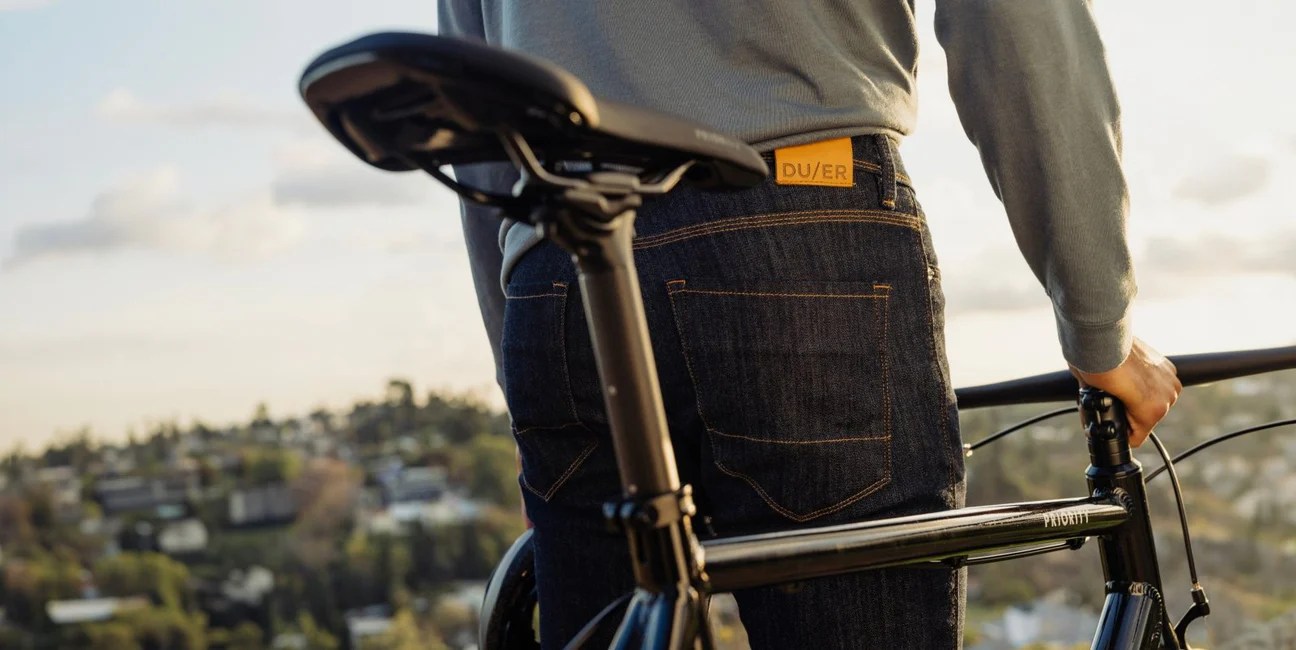
This summary was written by ShopDigest AI from Glossy’s report, by Danny Parisi. Read the full story ↗
For Canadian brands, the new wave of tariffs expedites plans for moves like establishing local distribution.
Overview
New U.S. tariffs on Canadian goods, including apparel, are pushing Canadian brands to accelerate investments in U.S.-based fulfillment centers. Brands like Duer, Ssense, and Aritzia are shifting distribution to avoid tariff costs and maintain access to the U.S. market. Fulfillment costs in the U.S. have risen 20% in three years, adding financial pressure.
Key Details
- Duer now ships directly from Pakistan to a U.S. warehouse, bypassing Canada, and plans to own U.S. fulfillment by year-end.
- Ssense plans to launch U.S.-based fulfillment by 2027.
- Aritzia moved all U.S. fulfillment to Ohio in October 2025.
- Motrati reports U.S. return rates rose from 10% to 20–30% due to tariff-driven price increases.
- U.S. fulfillment costs have increased 20% over the last three years.
Why It Matters
Tariffs are reshaping cross-border ecommerce logistics, forcing Canadian brands to localize fulfillment despite higher costs. This shift may affect pricing, delivery times, and return policies for U.S. consumers. Brands that adapt quickly can protect market share, but face rising operational expenses.
Frequently asked questions
How are Canadian brands responding to new U.S. tariffs?
Canadian brands are accelerating plans to establish U.S.-based fulfillment centers to avoid tariffs on goods shipped from Canada. For example, Duer is moving to own U.S. fulfillment by year-end, and Ssense plans to launch U.S. fulfillment by 2027. Aritzia already shifted its U.S. fulfillment to Ohio in October 2025.
What impact have tariffs had on Canadian apparel brands' return rates?
Tariffs have led to higher return rates for some Canadian brands due to increased prices. Motrati, a Canadian womenswear brand, saw U.S. return rates rise from 10% before tariffs to 20-30% this year. Higher prices from tariffs have made consumers more dissatisfied, leading to more returns.
Why are Canadian brands investing in U.S. fulfillment centers?
Canadian brands are investing in U.S. fulfillment to reduce tariff exposure and maintain competitiveness in the U.S. market. By fulfilling from within the U.S., they avoid tariffs on goods shipped from Canada. This strategy helps stabilize costs and delivery times despite higher U.S. fulfillment expenses.
What are the costs of U.S. fulfillment for Canadian brands?
U.S. fulfillment costs have risen by 20% in the last three years, according to Manhattan Associates. This adds financial pressure on Canadian brands already dealing with tariff-related expenses. Brands must weigh these higher costs against the benefits of avoiding tariffs and improving delivery speed.