Fashion Briefing: Sneaker brands are slowing their drops to combat sneaker fatigue
This summary was written by ShopDigest AI from Glossy’s report, by Danny Parisi. Read the full story ↗
In 2026, sneaker brands taking time between their releases to increase the impact of each as consumer interest in sneakers declines.
Overview
Sneaker brands are slowing their release cadence to combat sneaker fatigue, shifting from frequent iterative drops to fewer, more impactful launches. This follows declining sales growth and oversupply, with resale values falling and many releases sitting unsold. Brands like Nike and New Balance are introducing entirely new silhouettes with bigger media campaigns to restore consumer interest.
Key Details
- U.S. sneaker sales growth fell from 13% in 2022 to just over 1% in 2025.
- Nike Dunk sell-out rate dropped from 33% in 2023 to 25% in 2024, with 75% unsold.
- Sneaker resale market grew to $6.5B, but share of releases trading above retail fell 47% from 2020 peak.
- Nike and Adidas cut production of popular models like Dunks and Air Jordan 1 High.
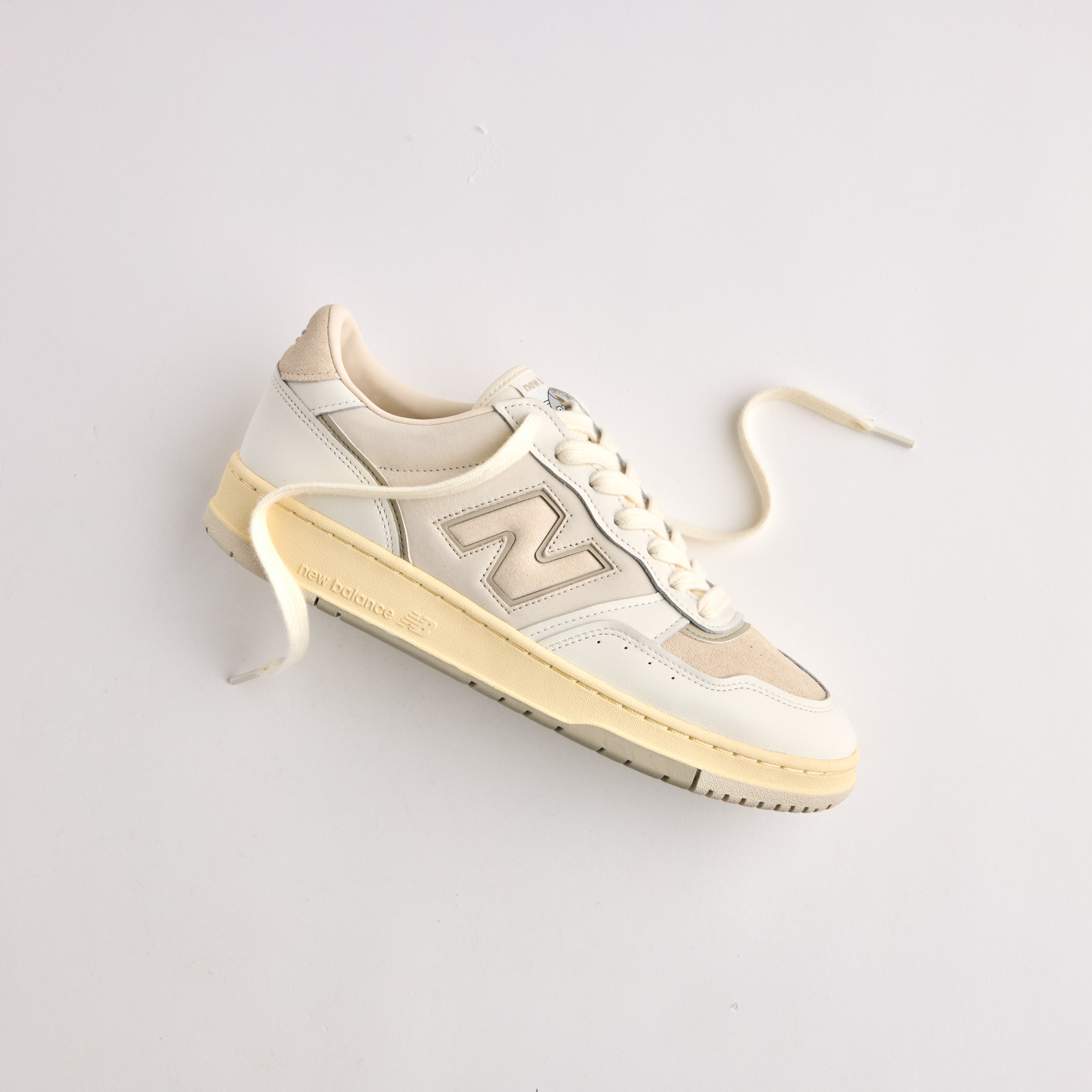
- New Balance launched the 950, a new silhouette, with a media campaign featuring NBA player Cooper Flagg.
Why It Matters
For ecommerce merchants, this signals a broader shift from hype-driven frequent drops to scarcity and brand storytelling. Oversupply and declining resale margins mean retailers must focus on product differentiation and demand generation rather than relying on limited-edition hype. Brands that adapt with new silhouettes and targeted campaigns may better sustain long-term customer engagement.
Frequently asked questions
Why are sneaker brands slowing down their drops?
Sneaker brands are slowing releases to combat sneaker fatigue and oversupply. Frequent drops overwhelmed consumers, leading to declining sales growth and high unsold inventory. Fewer, more impactful releases aim to restore each product's specialness and drive sustainable demand.
What is sneaker fatigue?
Sneaker fatigue refers to declining consumer interest in frequent sneaker releases. It emerged as brands like Nike and Adidas flooded the market with new colorways and collaborations, making sneakers feel less special. This led to lower sell-out rates and reduced resale profitability.
How much has sneaker sales growth declined?
Sales growth for new sneakers from U.S. brands peaked at 13% in 2022 and dropped to just over 1% in 2025. This steady decline reflects reduced consumer demand and market saturation from oversupply.
What are sneaker brands doing instead of frequent drops?
Brands are introducing entirely new silhouettes rather than iterating on existing models, and pairing each release with major media campaigns. Examples include Nike's First Sight collection for female athletes and New Balance's new 950 model, both promoted through targeted marketing efforts.
How has the sneaker resale market changed?
The resale market has shifted from a sellers' market to a buyers' market. The share of releases trading above retail price fell 47% from a 2020 peak of 58%, and many sneakers now sell at or below retail. Some resale companies have declared bankruptcy, and Goat launched a discount site, Sneakers.com, to offload excess inventory.