Pressure Washer Maintenance and Vinyl Fence Cleaning: A Complete Guide
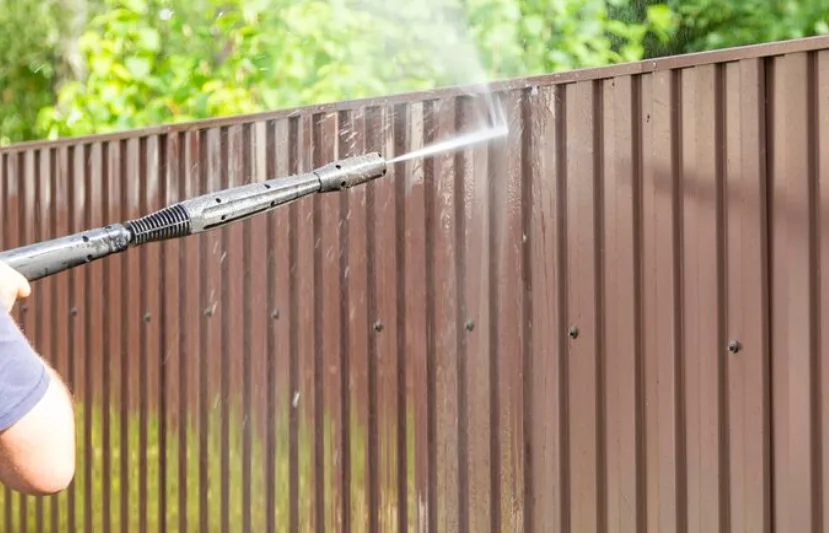
Maintaining outdoor equipment and keeping exterior surfaces clean are two important parts of home maintenance. Pressure washers are useful tools for removing stubborn dirt, grime, and stains from driveways, patios, siding, and other outdoor areas. However, proper equipment maintenance is essential for ensuring reliable performance. Similarly, vinyl fences require regular cleaning to maintain their bright appearance and protect their surfaces from long-term discoloration.
Homeowners often have two important questions when caring for their outdoor spaces: What Kind of Oil Does a Pressure Washer Use? and How to clean white vinyl fence without a pressure washer? Understanding the answers can help prevent equipment problems while making routine cleaning easier and more affordable.
What Kind of Oil Does a Pressure Washer Use?
The type of oil required by a pressure washer depends on its engine and pump design. Most gas-powered pressure washers have an engine that requires motor oil, while some models also have a separate pump lubrication system. Electric pressure washers generally do not require engine oil because they operate using an electric motor.
When asking What Kind of Oil Does a Pressure Washer Use?, it is important to distinguish between engine oil and pump oil. These two components have different lubrication requirements, and using the wrong product can affect performance or cause unnecessary damage.
For many gas-powered pressure washer engines, SAE 10W-30 motor oil is a common recommendation. However, some engines require SAE 30 or another specific grade depending on the manufacturer and operating temperature. Always check the owner's manual before adding or changing oil.
Why Is Oil Important for Pressure Washer Engines?
Oil plays an essential role in keeping a pressure washer engine operating smoothly. It lubricates moving components, reduces friction, helps control operating temperatures, and minimizes internal wear.
Without sufficient lubrication, engine components can experience excessive friction. Over time, this can lead to overheating, reduced performance, and potentially serious mechanical damage.
Regular oil maintenance also helps extend equipment life. Checking the oil level before operating a gas-powered pressure washer is a simple habit that can prevent avoidable problems.
Understanding Pressure Washer Pump Oil
In addition to engine oil, certain pressure washer models require specialized pump oil. The pump creates the water pressure needed for cleaning, so proper lubrication is important for models with oil-lubricated pumps.
Some pressure washer pumps use non-detergent pump oil, while others are sealed or maintenance-free. Using ordinary motor oil in a pump without checking its requirements may lead to lubrication problems.
Always follow the manufacturer's instructions for pump maintenance, oil capacity, and replacement intervals. Some pumps do not require regular oil changes, so adding oil unnecessarily should also be avoided.
How Often Should You Change Pressure Washer Oil?
Oil change intervals depend on the engine model, operating conditions, and manufacturer recommendations. Many new gas-powered pressure washer engines require an initial oil change after the first several hours of operation.
After the initial change, follow the maintenance schedule provided in the owner's manual. Equipment used frequently or under demanding conditions may require more frequent maintenance.
Before changing oil, turn off the machine and allow the engine to cool. Place an appropriate container underneath the drain area and follow the recommended procedure. Dispose of used oil responsibly rather than pouring it into the soil or household drains.
How to Clean White Vinyl Fence Without a Pressure Washer?
White vinyl fences are popular because they are durable, attractive, and relatively easy to maintain. However, exposure to rain, sunlight, dust, grass clippings, mud, and organic growth can gradually make their surfaces look dirty.
Fortunately, you do not need expensive equipment to restore their appearance. Learning How to clean white vinyl fence without a pressure washer? can help homeowners maintain their fences using simple household cleaning supplies.
A bucket, garden hose, soft-bristle brush, microfiber cloth, and mild cleaning solution are often enough to remove ordinary dirt and surface stains.
Step 1: Remove Loose Dirt and Debris
Start by inspecting the entire fence and removing loose leaves, cobwebs, grass clippings, and other debris. A soft broom or microfiber cloth can help clean corners, fence posts, and decorative sections.
Removing loose material first makes the remaining cleaning process easier. It also prevents dirt from spreading across the vinyl surface when water and cleaning solutions are applied.
If the fence has accumulated a significant amount of dust, rinse it gently using a regular garden hose.
Step 2: Prepare a Mild Cleaning Solution
One of the easiest methods for cleaning white vinyl fencing is using warm water and mild dish soap.
Fill a bucket with warm water and add a small amount of dishwashing liquid. Mix the solution until it becomes slightly soapy.
This gentle mixture can remove everyday dirt, fingerprints, light grease, and general outdoor buildup without requiring aggressive chemicals.
Avoid abrasive cleaners, rough scouring pads, or products that could scratch or damage the vinyl finish. Always test a cleaning solution on a small, less noticeable section before applying it to the entire fence.
Step 3: Scrub the Fence Gently
Dip a soft-bristle brush or sponge into the cleaning solution and begin scrubbing the fence in manageable sections.
Use gentle circular movements to loosen dirt and stains. Pay particular attention to areas near the ground because these sections often collect mud, grass stains, and splashes from rain.
For narrow spaces between fence panels, use a smaller brush or an old soft toothbrush.
When considering How to clean white vinyl fence without a pressure washer?, remember that gentle and consistent scrubbing is usually more effective than applying excessive force.
Step 4: Remove Stubborn Stains
Some vinyl fences develop stubborn marks caused by algae, mildew, grass, or environmental exposure. These stains may require additional cleaning.
For light organic staining, use a vinyl-safe exterior cleaner according to its label instructions. Some homeowners also use diluted white vinegar for certain types of surface buildup, provided the product is compatible with their fencing material.
Avoid mixing cleaning chemicals, especially bleach and ammonia, because dangerous fumes can develop.
For persistent stains, choose a cleaner specifically approved for vinyl surfaces. Follow the manufacturer's safety recommendations and rinse the treated area thoroughly.
Step 5: Rinse With Clean Water
After scrubbing, rinse the fence using a garden hose with a gentle water flow. Make sure all soap and cleaning residue are removed.
Leaving cleaning products on the vinyl surface may cause streaks or attract additional dirt.
Work from the top toward the bottom so dirty water does not run over sections that have already been cleaned.
Once rinsing is complete, allow the fence to air-dry. You can also use a clean microfiber cloth to remove excess water and prevent visible water spots.
Tips for Keeping a White Vinyl Fence Clean
Regular maintenance makes fence cleaning easier and prevents heavy dirt accumulation.
Consider rinsing your fence every few weeks, especially during seasons when pollen, dust, and grass clippings are common. Trim nearby plants to reduce contact with the vinyl surface and improve airflow around fence panels.
Inspect the lower sections regularly for mud splashes and organic growth. Cleaning small stains as soon as they appear can prevent them from becoming difficult to remove.
Avoid placing metal objects or gardening equipment directly against the fence because they may leave scratches or marks.
Combining Equipment Maintenance With Outdoor Cleaning
A well-maintained pressure washer and a clean vinyl fence can both contribute to an attractive outdoor environment. Although pressure washers are useful for many exterior cleaning projects, not every surface requires high-pressure water.
Understanding What Kind of Oil Does a Pressure Washer Use? helps homeowners maintain their equipment, reduce mechanical wear, and improve long-term reliability. At the same time, knowing How to clean white vinyl fence without a pressure washer? provides a practical alternative for maintaining delicate exterior surfaces.
Both tasks demonstrate the importance of using appropriate products and techniques rather than relying on excessive force or unnecessary chemicals.
Conclusion
Taking care of outdoor equipment and maintaining exterior surfaces does not have to be complicated. Choosing the correct engine and pump oil helps keep pressure washers operating efficiently, while simple cleaning methods can restore the appearance of white vinyl fencing.
By understanding What Kind of Oil Does a Pressure Washer Use?, homeowners can make informed maintenance decisions and protect their equipment from avoidable damage. Similarly, learning How to clean white vinyl fence without a pressure washer? makes it possible to remove everyday dirt and stains using affordable household supplies.
With regular maintenance, suitable cleaning products, and gentle techniques, homeowners can keep their equipment dependable and their outdoor spaces looking clean, attractive, and welcoming.
About this article
- Platform
- Not platform-specific
- Reading time
- 8 min
- Written by
- Buttler Carels