Unified architecture vs. siloed tools: How to choose your WhatsApp marketing solution
- Topic
- Marketing
- Source
- Ecommerce Germany
- Published
This summary was written by ShopDigest AI from Ecommerce Germany’s report, by Editorial Team. Read the full story ↗
Standalone WhatsApp tool or unified CRM? Discover which setup delivers better segmentation, customer journeys, attribution and more.
Overview
The article compares standalone WhatsApp marketing tools with unified CRM platforms for ecommerce. It argues that as brands scale, siloed tools lead to fragmented customer data, poor segmentation, and inaccurate attribution. A unified architecture enables real-time segmentation, cross-channel orchestration, and better customer service integration.
Key Details
- Standalone WhatsApp tools create fragmented customer profiles and blind attribution.
- Unified platforms allow dynamic segments like VIP customers who haven't opened emails recently.
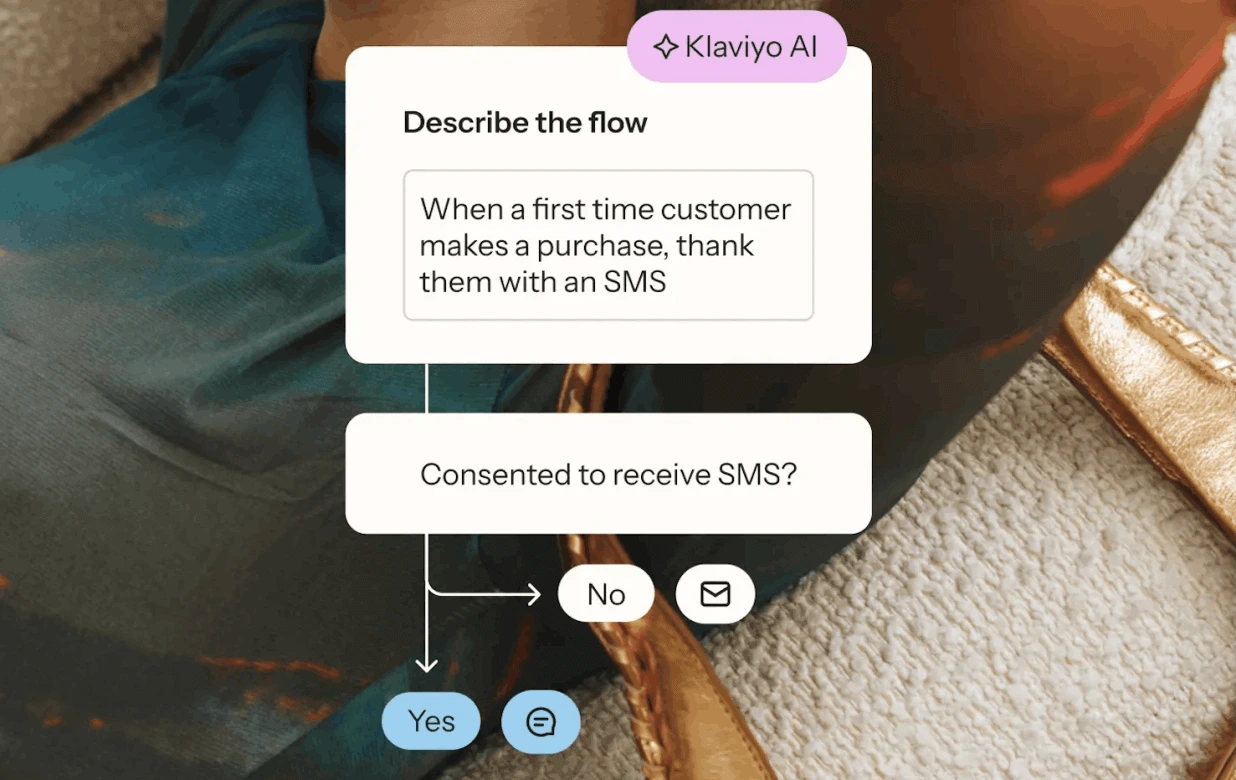
- Cross-channel flows can trigger WhatsApp only when email fails, saving budget.
- Unified systems route WhatsApp replies to customer service with full context.
- Centralized consent management simplifies GDPR compliance and Meta API integration.
Decision Framework
- Point solution is enough for occasional campaigns and small subscriber lists.
- Unified platform is better when email, SMS, WhatsApp, and support run together.
- Advanced segmentation and attribution needs favor a unified CRM/CDP approach.
Frequently asked questions
What are the limitations of using a standalone WhatsApp marketing tool?
Standalone tools only see data they collect, leading to fragmented customer profiles and shallow segmentation. They can also cause over-saturation by sending messages without cross-channel coordination, and they often over-credit revenue by not accounting for other channels.
How does a unified CRM improve WhatsApp segmentation?
A unified CRM shares a single data source across email, storefront, and loyalty programs, enabling dynamic segments based on real-time behavior. For example, you can target high-value customers who haven't opened emails recently or shoppers who viewed a product multiple times and opted into WhatsApp.
What is cross-channel flow orchestration in WhatsApp marketing?
It's programming lifecycle flows where email, SMS, and WhatsApp work together. For instance, an abandoned cart sequence might send an email first, and only if it remains unopened, trigger a WhatsApp message with a checkout button, saving costs by reserving WhatsApp for high-intent moments.
How does a unified WhatsApp solution handle customer service inquiries?
In a unified architecture, marketing and service workflows are integrated. If a customer replies to a promotional message with a question, the conversation can be routed to a helpdesk agent who sees the full customer profile, including order history and email engagement, to resolve the issue and secure the sale.
When is a point solution enough for WhatsApp marketing?
A point solution may be enough when WhatsApp is used for occasional campaigns, the subscriber base is small, and the team doesn't need advanced cross-channel orchestration. It's also suitable for simple catalogs and lightweight setups.
When should a brand switch to a unified WhatsApp platform?
A unified platform becomes valuable when a brand runs email, SMS, loyalty, paid campaigns, and customer service simultaneously. At that stage, the challenge is not sending messages but knowing who should receive them, when, and how to attribute results accurately.