Choosing the Right Partial Denture: Understanding Nesbit Flexible and Upper Acrylic Dentures
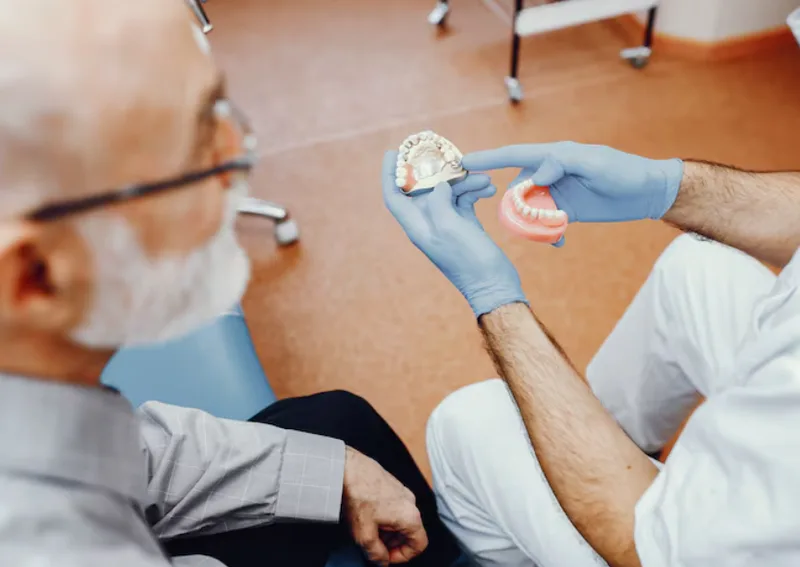
Missing teeth can affect much more than the appearance of a smile. They can make chewing difficult, change speech patterns, and reduce confidence in everyday social situations. Fortunately, modern dental solutions offer several ways to replace missing teeth without requiring a full set of dentures. Among the available options, partial dentures remain a popular choice because they are designed to replace specific missing teeth while preserving the natural teeth that remain.
Two options worth understanding are the nesbit flexible partial denture and the upper acrylic partial denture. Both are designed to restore the appearance and function of a smile, but they differ in materials, construction, comfort, and intended use. Understanding these differences can help individuals make informed decisions about their dental restoration needs.
Understanding Partial Dentures
Partial dentures are removable dental appliances that replace one or more missing teeth. Unlike complete dentures, which replace an entire arch of teeth, partial dentures work around the natural teeth that are still present.
They can help restore chewing ability, support clearer speech, and maintain a more complete-looking smile. Depending on the design, partial dentures may use flexible materials or acrylic bases to hold replacement teeth in position.
The best option depends on several factors, including the number of missing teeth, their location, gum health, remaining natural teeth, and personal preferences. A dental professional can evaluate these factors and recommend an appropriate solution.
What Is a Nesbit Flexible Partial Denture?
A nesbit flexible partial denture is a removable appliance designed to replace a missing tooth or a small number of teeth, commonly in a limited area of the mouth. It is generally made using flexible thermoplastic material that can adapt to the contours of the mouth.
One of its appealing characteristics is its lightweight construction. Traditional rigid dental appliances may include visible metal components, whereas flexible partial dentures are often designed with gum-colored material that blends more naturally with surrounding oral tissues.
This can make the appliance a suitable cosmetic option for individuals who want to replace missing teeth without a prominent metal appearance.
A Nesbit-style design is generally intended for specific tooth-replacement situations rather than every type of dental restoration. Its suitability depends on the position of the missing tooth and the condition of the surrounding teeth and tissues.
Benefits of Flexible Partial Dentures
Flexible partial dentures offer several potential advantages for suitable candidates.
Natural Appearance: Gum-colored materials can create a more discreet appearance. The flexible design may blend with the surrounding tissues, helping the replacement tooth look more natural.
Lightweight Construction: Many patients appreciate the lightweight feel of flexible appliances. Their construction may provide a comfortable alternative to certain traditional designs.
Removable Convenience: Flexible partial dentures can be removed for cleaning and maintenance. This makes it easier to maintain daily oral hygiene.
Metal-Free Appearance: Many flexible designs avoid the visible metal clasps associated with some traditional partial dentures.
Targeted Tooth Replacement: A Nesbit-style appliance may be appropriate when only a limited number of teeth need replacement.
Although these benefits can be appealing, flexible dentures are not suitable for every patient. Proper evaluation, fitting, and professional guidance are essential for long-term comfort and oral health.
What Is an Upper Acrylic Partial Denture?
An upper acrylic partial denture is a removable dental appliance designed to replace missing teeth in the upper jaw. It generally consists of an acrylic base that supports artificial teeth and rests against the upper gum tissue and palate, depending on its design.
Acrylic is widely used in removable dental appliances because it can be shaped and adjusted to accommodate different oral structures. It also allows dental professionals to create replacement teeth that complement the patient's natural smile.
An upper acrylic partial denture may be considered when someone has lost several upper teeth but still has natural teeth remaining. The appliance fills the gaps while helping restore the appearance and basic function of the upper dental arch.
The exact design depends on the number and position of missing teeth, the condition of the remaining teeth, and the patient's individual dental requirements.
Advantages of an Upper Acrylic Partial Denture
An upper acrylic partial denture offers several features that make it a practical option for certain dental situations.
Customized Design: The acrylic base can be fabricated to fit the shape of the upper mouth. Artificial teeth can also be selected to complement existing teeth.
Restored Smile Appearance: Missing upper teeth can create noticeable gaps, particularly when smiling or speaking. A partial denture helps fill these spaces.
Functional Support: Replacing missing teeth can improve chewing ability and make certain everyday activities more comfortable.
Adjustability: Acrylic appliances can often be adjusted or repaired by qualified dental professionals when necessary.
Removable Construction: Patients can remove the appliance for cleaning, allowing access to the gums and remaining natural teeth.
An upper acrylic partial denture may also be considered as a temporary or longer-term restoration depending on the patient's dental condition and treatment plan.
Nesbit Flexible Partial Denture vs. Upper Acrylic Partial Denture
Although both options replace missing teeth, they serve somewhat different purposes.
A Nesbit-style flexible appliance is generally intended for a smaller, localized tooth-replacement area. Its flexible material and discreet appearance can make it attractive to individuals seeking a limited restoration.
An upper acrylic partial denture is designed specifically for the upper jaw and can replace multiple missing teeth across a larger area, depending on its construction.
Material is another important difference. Flexible partial dentures use specialized thermoplastic materials, while acrylic partial dentures use a more rigid acrylic base.
Comfort also varies between individuals. Some people prefer the lightweight flexibility of a Nesbit appliance, while others benefit from the broader support offered by an acrylic design.
Neither option is automatically better for everyone. The appropriate choice depends on the patient's oral anatomy, remaining teeth, bite, and restoration goals.
How to Maintain Your Partial Denture
Proper maintenance plays an important role in keeping removable dental appliances clean and comfortable.
Patients should clean their dentures regularly using products recommended for the specific material. Gentle cleaning helps remove food particles and plaque without unnecessarily damaging the appliance.
It is also important to clean natural teeth and gums every day. Partial dentures do not replace regular oral hygiene practices.
Avoid using excessively hot water because heat can damage or distort certain denture materials, particularly flexible thermoplastics. Patients should also avoid bending or forcing their appliances into position.
When not wearing a removable denture, follow the storage instructions provided by the dental professional or laboratory. Different materials may require different storage methods.
Regular dental checkups are equally important. Changes in gum shape, natural teeth, or bite alignment can affect how a partial denture fits over time.
Making an Informed Dental Restoration Decision
Selecting between a nesbit flexible partial denture and an upper acrylic partial denture requires careful consideration of individual needs. The number of missing teeth, their location, available support, and desired appearance all influence the decision.
Patients should also consider long-term maintenance, comfort, durability, and the ability to clean the appliance properly. A dental professional can assess whether a particular design provides adequate support and stability.
It is important not to choose a partial denture based solely on appearance or convenience. An appliance that does not fit correctly can cause irritation, discomfort, or unwanted pressure on surrounding teeth and tissues.
Conclusion
Replacing missing teeth can make a meaningful difference in everyday comfort, confidence, and oral function. A nesbit flexible partial denture offers a discreet and lightweight option for certain limited tooth-replacement needs, while an upper acrylic partial denture provides a practical solution for replacing missing teeth in the upper jaw.
Understanding the differences between these appliances helps patients have more productive conversations with dental professionals about their restoration options. With appropriate assessment, professional fitting, and consistent maintenance, a properly selected partial denture can support a healthier, more complete-looking smile.
Project details
- Platform
- Not platform-specific
- Made by
- Buttler Carels