Creating a Safer Home Environment with Non Slip Floor Treatment and Proper Lighting Installation
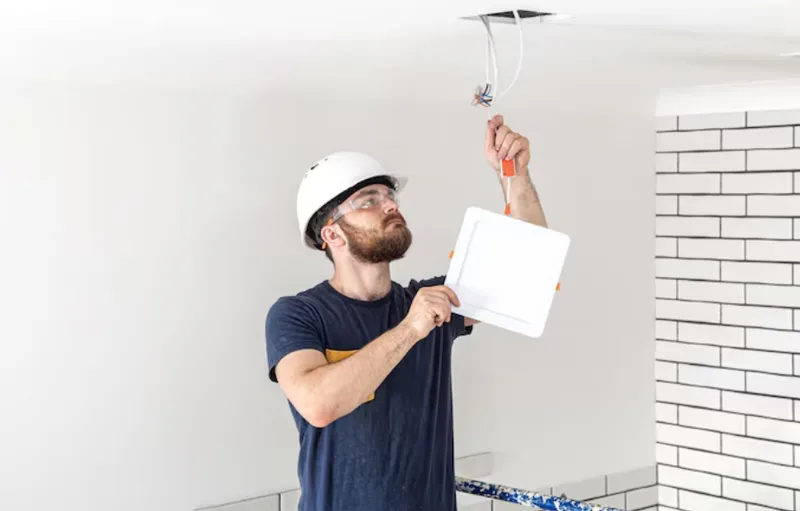
A safe and comfortable home is essential for maintaining independence, preventing accidents, and improving everyday living. Whether a home is occupied by seniors, children, individuals with mobility challenges, or an entire family, safety should always be a priority. Many household accidents happen because of slippery floors, poor lighting, and obstacles that are difficult to notice. Fortunately, simple home improvements can significantly reduce these risks and create a more secure living environment. Two important improvements to consider are non slip floor treatment and lighting installation for home safety.
By focusing on flooring safety and proper illumination, homeowners can make their living spaces easier to navigate while reducing the likelihood of slips, trips, and falls. These improvements also enhance comfort, accessibility, and peace of mind for everyone living in the home.
Understanding the Importance of Floor Safety
Flooring plays a major role in household safety. Although attractive flooring can improve the appearance of a home, certain surfaces become dangerous when exposed to water, cleaning products, or everyday spills. Bathrooms, kitchens, laundry rooms, entryways, and other frequently used spaces are particularly vulnerable to slipping hazards.
Smooth tile, polished stone, and certain finished surfaces can become extremely slippery when wet. Even a small amount of moisture can create an unsafe walking surface. Older adults and people with balance difficulties may face additional challenges when moving across these areas.
A professional non slip floor treatment can help improve traction and make flooring safer to walk on. This type of treatment is designed to increase surface grip while maintaining the appearance and functionality of the existing floor. It can be a practical option for homeowners who want to improve safety without completely replacing their flooring.
Benefits of Non Slip Floor Treatment
One of the biggest advantages of non slip floor treatment is its ability to reduce slipping risks in areas where moisture is common. Bathrooms and kitchens often have wet floors, making them important places to address when improving household safety.
A properly selected treatment can improve traction on compatible surfaces, helping residents feel more confident while walking. This can be particularly valuable for seniors who may have reduced balance, limited mobility, or difficulty recovering after losing their footing.
Another benefit is that floor treatments can often improve safety without requiring extensive remodeling. Instead of removing existing flooring, homeowners may be able to enhance the surface with an appropriate treatment. This can save time, reduce disruption, and provide a more convenient improvement.
However, not every treatment works on every flooring material. Professional assessment is important to determine the correct solution for ceramic tile, porcelain, natural stone, or other surfaces. Homeowners should also understand that no treatment makes a floor completely slip-proof. Regular cleaning, moisture management, and appropriate footwear remain important.
Identifying High-Risk Areas Throughout the Home
Before making safety improvements, homeowners should identify areas where slips and falls are most likely to occur. Bathrooms are among the most important spaces because showers, bathtubs, and sinks frequently create wet conditions.
Kitchens also require attention because spills, cooking oils, and water can make floors slippery. Entryways may become hazardous during rainy or snowy weather when people bring moisture inside on their shoes.
Hallways, staircases, and laundry rooms should also be inspected. Loose rugs, uneven flooring, poor transitions between rooms, and clutter can increase the possibility of accidents.
Applying suitable non slip floor treatment in appropriate areas can be one part of a broader safety strategy. Combining improved flooring traction with handrails, grab bars, secure rugs, and proper lighting creates a more comprehensive approach to preventing household injuries.
The Role of Lighting in Home Safety
Flooring is only one part of a safe home. Visibility is equally important, especially when residents move around at night or navigate unfamiliar spaces. Poor lighting can make it difficult to recognize obstacles, changes in floor height, furniture, and other potential hazards.
Dark hallways, dim staircases, poorly illuminated bathrooms, and shadowy entryways can increase the likelihood of trips and falls. Seniors and individuals with vision difficulties may experience even greater challenges in these environments.
Proper lighting installation for home safety helps make everyday movement easier and more predictable. Well-positioned lighting allows residents to see where they are walking, identify obstacles, and navigate different rooms with greater confidence.
Benefits of Proper Lighting Installation for Home Safety
Good lighting improves visibility in areas where accidents are more likely to happen. For example, staircases should have sufficient illumination so that every step and edge is clearly visible. Installing lights at appropriate locations can reduce dark spots and help residents maintain their balance while going up or down stairs.
Hallways also benefit from consistent lighting. Motion-activated lights can be particularly useful because they automatically illuminate walking paths when someone enters an area. This eliminates the need to search for a switch in the dark.
Bathrooms require special attention because residents may need to use them during nighttime hours. Bright, comfortable lighting around sinks, showers, and bathroom entrances can make these spaces easier to navigate.
A thoughtful approach to lighting installation for home safety can also include bedside lighting, illuminated switches, under-cabinet lights, and nightlights. These additions help residents move around without relying on a single overhead fixture.
Choosing the Right Lighting for Different Rooms
Every room has different lighting requirements. Kitchens generally need bright, evenly distributed lighting so that residents can prepare meals and recognize spills or objects on the floor. Under-cabinet lighting can improve visibility around countertops and work areas.
Living rooms benefit from balanced lighting that eliminates dark corners while maintaining a comfortable atmosphere. Adjustable fixtures and additional lamps can provide flexibility for different activities.
Bedrooms should include accessible bedside lighting. Residents should be able to turn lights on without walking across a dark room. Nightlights can also provide guidance between the bedroom and bathroom.
For staircases, lighting should illuminate the entire walking surface. Fixtures should be positioned to minimize shadows and glare. Motion sensors and automatic lighting controls can provide additional convenience.
Combining Flooring and Lighting Improvements
The best home safety improvements work together rather than functioning independently. Flooring traction and visibility address two different risks, but combining them creates a more effective safety environment.
For example, a bathroom with non-slip flooring treatment and properly positioned lighting offers better protection than a bathroom with only one of these improvements. Residents can benefit from improved traction while also seeing wet areas, obstacles, and changes in floor levels.
The same principle applies to kitchens, hallways, and entryways. A coordinated safety plan should consider flooring conditions, lighting quality, accessibility, and the specific needs of household members.
Homeowners may also consider adding grab bars, handrails, motion sensors, and accessible switches to further improve safety.
Maintaining a Safe Home Over Time
Home safety is not a one-time project. Flooring and lighting systems should be inspected regularly to ensure they continue functioning properly. Homeowners should clean floors using suitable products and avoid substances that leave slippery residues.
Any damaged flooring, loose tiles, or uneven surfaces should be repaired promptly. Treated floors should be maintained according to the manufacturer's recommendations to preserve their intended performance.
Lighting fixtures should also be checked periodically. Burned-out bulbs, damaged switches, and malfunctioning motion sensors should be addressed as soon as possible. Choosing energy-efficient LED lighting can provide consistent illumination while helping reduce electricity consumption.
Regular home safety assessments can help identify new hazards as household needs change.
Conclusion
Creating a safer home requires attention to both physical surfaces and visibility. Slippery floors and inadequate lighting can make everyday activities unnecessarily difficult and increase the risk of preventable accidents. Fortunately, practical improvements can make a meaningful difference.
Investing in professional non slip floor treatment can improve traction in important areas, while thoughtful lighting installation for home safety helps residents navigate their surroundings with greater confidence. Together with regular maintenance, accessible design, and appropriate safety equipment, these improvements can support independence and provide greater peace of mind.
A safer home is not necessarily one that requires extensive renovation. Sometimes, carefully selected upgrades and attention to everyday hazards are enough to create a more comfortable, accessible, and secure living environment for the entire family.
Project details
- Platform
- Not platform-specific
- Made by
- Buttler Carels