Commerce Data as Credit Data

- Topic
- Fintech
- Source
- Practical Ecommerce
- Published
This summary was written by ShopDigest AI from Practical Ecommerce’s report, by Armando Roggio. Read the full story ↗
Sales, fulfillment, and shipping are becoming part of a merchant's potential borrowing capacity.
Overview
Ecommerce platforms and logistics providers are increasingly using commerce data—sales, payments, fulfillment, and shipping signals—to evaluate merchant creditworthiness. FedEx Dataworks and Stripe announced a collaboration on Oct. 6, 2026, to combine FedEx network data with Stripe's financial infrastructure, including a financing product planned for early 2027. The trend builds on existing programs like Shopify Capital and Walmart Marketplace Capital, which already tie financing eligibility and repayment to platform activity.
Key Details
- FedEx Dataworks and Stripe will combine shipment activity, inventory movement, and fulfillment performance with payment data to inform financing decisions.
- Shopify Capital eligibility depends on sales volume, selling frequency, order counts, shipped orders, returns, chargebacks, and payment history.
- Shopify's Capital flex account can reevaluate available financing weekly based on business performance, with repayment tied to a percentage of daily sales.
- Walmart Marketplace Capital funds sellers based partly on their Walmart Marketplace sales and also offers financing through third-party providers.
- In 2012, UPS partnered with Kabbage to let merchants use shipping history as an underwriting signal.
Why It Matters
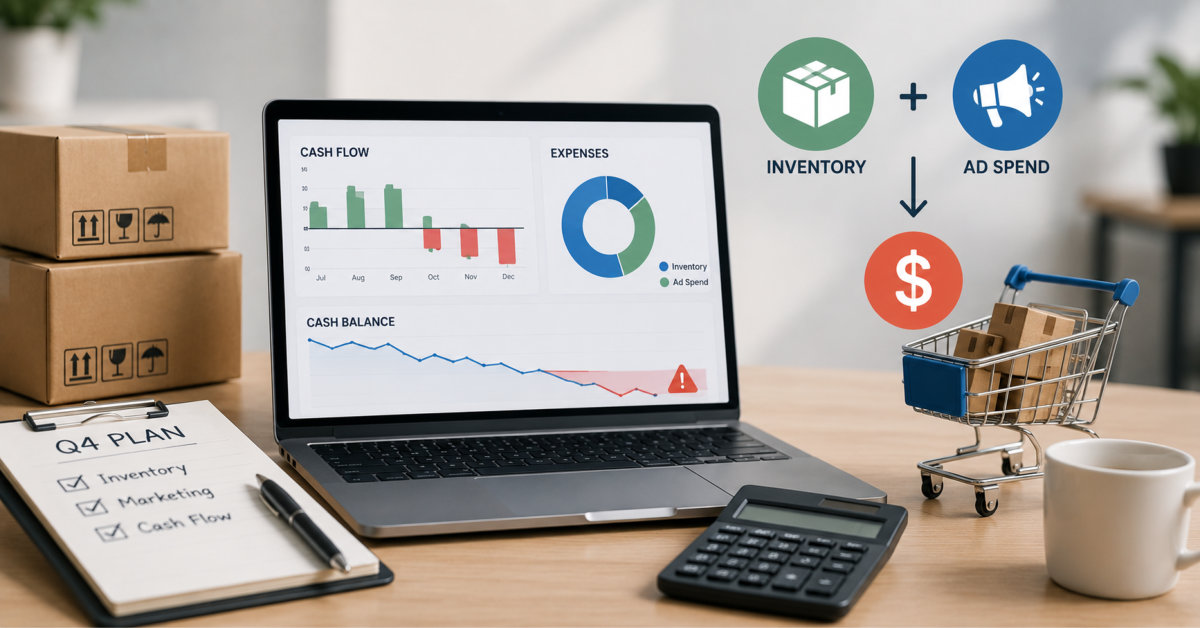
Faster access to working capital can help growing merchants fund inventory, advertising, or seasonal demand before traditional financial records reflect that growth. However, financing tied closely to a platform can deepen financial dependence, especially when repayment and future offers depend on activity there. Merchants should compare total borrowing costs, repayment requirements, and alternatives, and understand which operating metrics influence offers and what happens when those signals weaken.
Frequently asked questions
What is the FedEx Dataworks and Stripe collaboration about?
FedEx Dataworks and Stripe announced a collaboration on Oct. 6, 2026, to combine information from the FedEx network with Stripe's financial infrastructure. The companies plan to launch a financing product in early 2027. FedEx said signals such as shipment activity, inventory movement, and fulfillment performance will help create a more complete picture of a business than traditional financial information alone.
How does Shopify Capital use commerce data for financing?
Shopify says eligibility for Shopify Capital depends in part on sales performance, including sales volume, frequency of selling days, total orders, and shipped orders. Returns, chargebacks, disputes, customer engagement, time on Shopify, and payment history can also affect eligibility. Shopify's Capital flex account can reevaluate available financing weekly based on business performance, and repayment is tied to a percentage of daily sales.
What is Walmart Marketplace Capital?
Walmart Marketplace Capital is a program that funds sellers based partly on their Walmart Marketplace sales. Walmart also offers financing through third-party providers. This means Walmart can use activity inside its marketplace when evaluating financing.
What was the UPS and Kabbage partnership?
In 2012, UPS partnered with Kabbage, then an online small-business lender, to let merchants provide UPS shipping information for underwriting. Kabbage could consider the number and frequency of packages shipped when determining access to working capital. UPS shipping history offered another signal that products were actually moving to customers.
What are the risks of platform-tied merchant financing?
Financing tied closely to a platform can deepen financial dependence, especially when repayment and future offers depend on activity there. Merchants still need to compare total borrowing costs, repayment requirements, expected payoff periods, and alternatives such as bank loans or U.S. Small Business Administration loans. Owners should understand which operating metrics influence an offer and what happens when those signals weaken.
How does commerce data differ from traditional underwriting?
Traditional lenders work from financial records that describe what a business has already done, such as tax returns or financial statements. Software systems can see timely transaction-level information like sales and shipping volume, which can reveal changes quickly. Commerce data does not replace conventional underwriting but gives lenders another view of the business.