Shopify, Vercel Arm Stores for AI Agents
- Topic
- Developer
- Source
- Practical Ecommerce
- Published
This summary was written by ShopDigest AI from Practical Ecommerce’s report, by Armando Roggio. Read the full story ↗
The collaboration allows humans and external AI agents alike to shop a store.
Overview
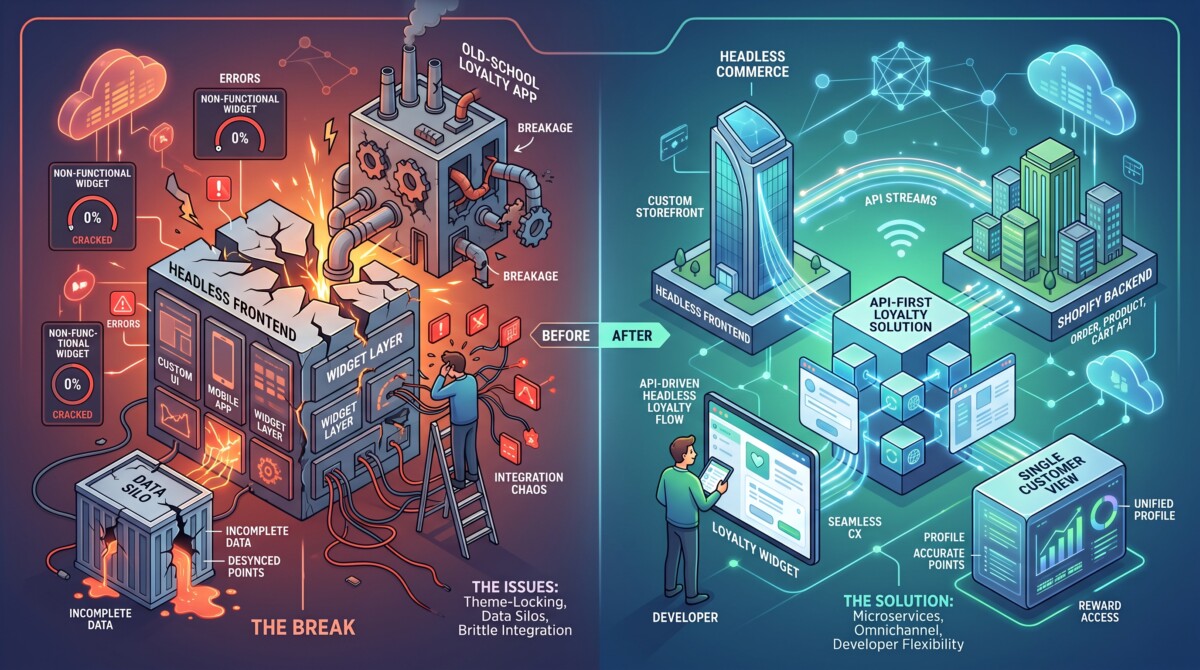
Shopify and Vercel announced a collaboration at Vercel's Ship 26 conference to build storefronts that serve both human shoppers and external AI agents. The effort centers on Shopify's rebuilt Hydrogen SDK and Vercel's open-source Vercel Shop template, which exposes agent-readable product data and an optional in-store shopping assistant. The assistant can help with product discovery and cart changes but cannot place orders or process payments.
Key Details
- Shopify rebuilt its Hydrogen SDK to organize common ecommerce functions into reusable tools across JavaScript frameworks.
- Vercel Shop is an open-source storefront template with structured product information in URL parameters so outside agents can shop without parsing HTML.
- An optional AI shopping assistant uses the same Shopify cart as the visual storefront and is disabled by default.
- Developers must enable the assistant and configure access to Vercel's AI Gateway.
- The assistant cannot place orders or process payments; shoppers finish through the standard checkout flow.
- Vercel's own merchandise store is a working example of the template and assistant.
Why It Matters
The announcement extends Shopify's storefront tooling to agentic commerce, where external AI agents can browse and build carts on a merchant's domain. Shopify CEO Tobi Lütke said checkouts are hard to get right and that Shopify invites developers to remix checkout pieces on top of its infrastructure. The shared cart means changes from a human or an AI agent are reflected consistently, while checkout remains a familiar flow.
Frequently asked questions
What did Shopify and Vercel announce for AI agents at Ship 26?
Shopify and Vercel announced a collaboration to build ecommerce storefronts for humans and AI agents. The release includes Shopify's rebuilt Hydrogen SDK and Vercel's open-source Vercel Shop template, which provides agent-readable product information and an optional shopping assistant.
How does Vercel Shop let external AI agents shop a store?
Vercel Shop exposes structured product information in URL parameters so an outside agent can find products and build a cart without parsing HTML or taking screenshots. The agent accesses product information and shopping tools on the merchant's domain.
Can the Vercel Shop AI assistant place orders or process payments?
No. The assistant can help find products, navigate variants, answer policy questions, and manage the cart, but it cannot place orders or process payments. Shoppers complete purchases through the familiar checkout flow.
Is the Vercel Shop shopping assistant enabled by default?
No, it is disabled by default. Developers must enable it and configure access to Vercel's AI Gateway, and they can customize the guidance it provides and how it presents products.
What does the rebuilt Shopify Hydrogen SDK do for developers?
The rebuilt Hydrogen SDK organizes common ecommerce functions into shared, reusable tools so developers can build Shopify storefronts across various JavaScript frameworks and runtimes. It handles catalog data, cart prices and availability, and checkout item retrieval.
Does the AI assistant use the same cart as the visual storefront?
Yes. The assistant uses the same Shopify cart as the visual storefront, so changes made by a human or an AI agent are reflected in the cart. Shopify confirms prices, availability, and permitted cart changes.