ShipBob Is Leading AI In Supply Chain. Here’s How To Put It To Work.
- Topic
- Fulfillment
- Source
- Ecommerce Fastlane
- Published
This summary was written by ShopDigest AI from Ecommerce Fastlane’s report, by Meredith Flora. Read the full story ↗
Learn how ShipBob's AI features leads in supply chain. Get a step-by-step guide to connecting ShipBob MCP to Claude and running every demo yourself.
Overview
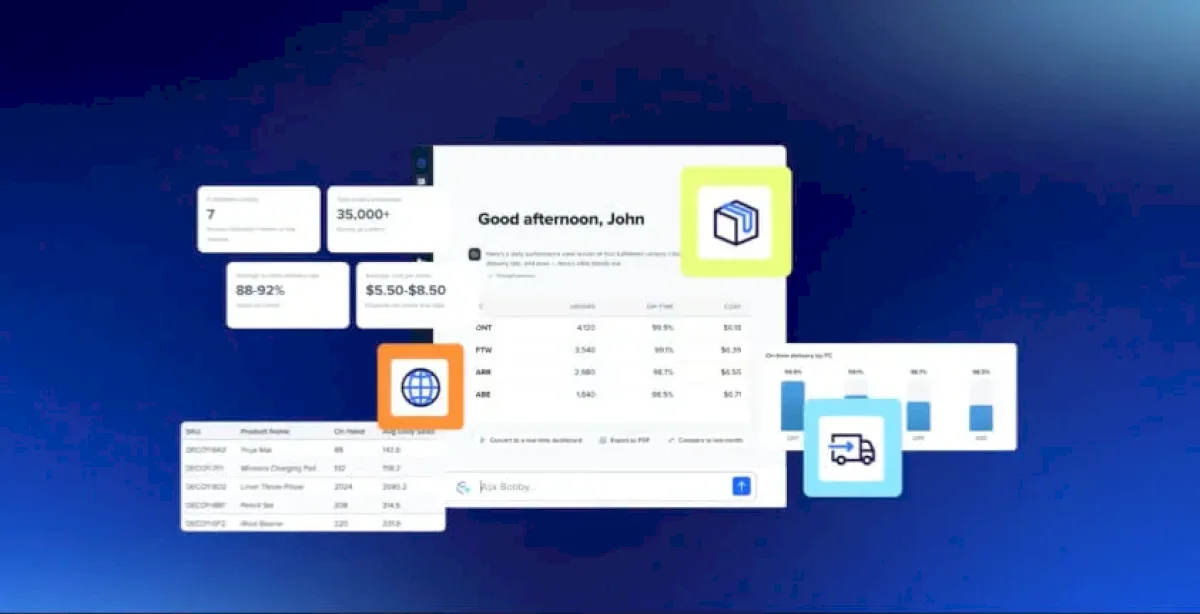
ShipBob is positioning its AI capabilities as a differentiator in supply chain management, emphasizing that its ownership of warehouses and carrier relationships enables AI to take real action, not just report data. The article highlights ShipBob's MCP (Model Context Protocol) interface, which connects AI assistants like Claude and ChatGPT directly to ShipBob's fulfillment operations, allowing merchants to query and act on data in plain language. It also provides a step-by-step guide for setting up the MCP connection and previews upcoming features like granular permissions and the Bobby in-app AI agent.
Key Details
- ShipBob's MCP usage grew 8.5x in ten weeks, with over 130,000 tool calls logged.
- MCP supports 70+ read and write actions across 10 areas, including orders, inventory, shipments, and receiving.
- Live demos showed creating a warehouse receiving order from a typed prompt in under 30 seconds and auto-generating one from an uploaded packing slip PDF.
- Bobby, ShipBob's in-app AI agent, is in beta and expected to reach general availability this fall.
- Upcoming MCP features include granular read/write permissions, lot-level detail management, and expanded B2B order support.
Why It Matters
For ecommerce merchants, this means AI can move beyond dashboards to directly resolve fulfillment issues, such as catching under-received units or rerouting shipments, without manual steps. The integration with widely used AI assistants lowers the barrier to automation, potentially saving time and reducing errors in order management.