Preparing your platform for agentic commerce: How to authenticate AI buying agents vs. synthetic bots

- Topic
- Fraud prevention
- Source
- Retail Dive
- By
- Share
- Published
This summary was written by ShopDigest AI from Retail Dive’s report, by Share. Read the full story ↗
Marketplaces spent a decade building systems to keep bots out. In agentic commerce, some of those bots are now your best customers — and the rest are harder to spot.
Overview
AI agents now drive a significant share of ecommerce traffic, but current fraud systems treat all automation as a threat. The article argues that marketplaces must shift from blocking bots to verifying the identity of the human behind each agent request. This requires new authentication layers on both buyer and seller sides.
Key Details
- AI bots made up 47.9% of commerce traffic on Akamai's network in H2 2025.
- Adobe Analytics saw AI-driven traffic to US retail sites up 4,700% year over year.
- Bad bots grew to 43% of holiday traffic from 31% (Radware).
- Stripe, OpenAI, Mastercard, and Visa have launched agentic commerce protocols.
- Veriff reports impersonation behind over 85% of fraud attacks and ecommerce net fraud rate at 19.2%.
Why It Matters
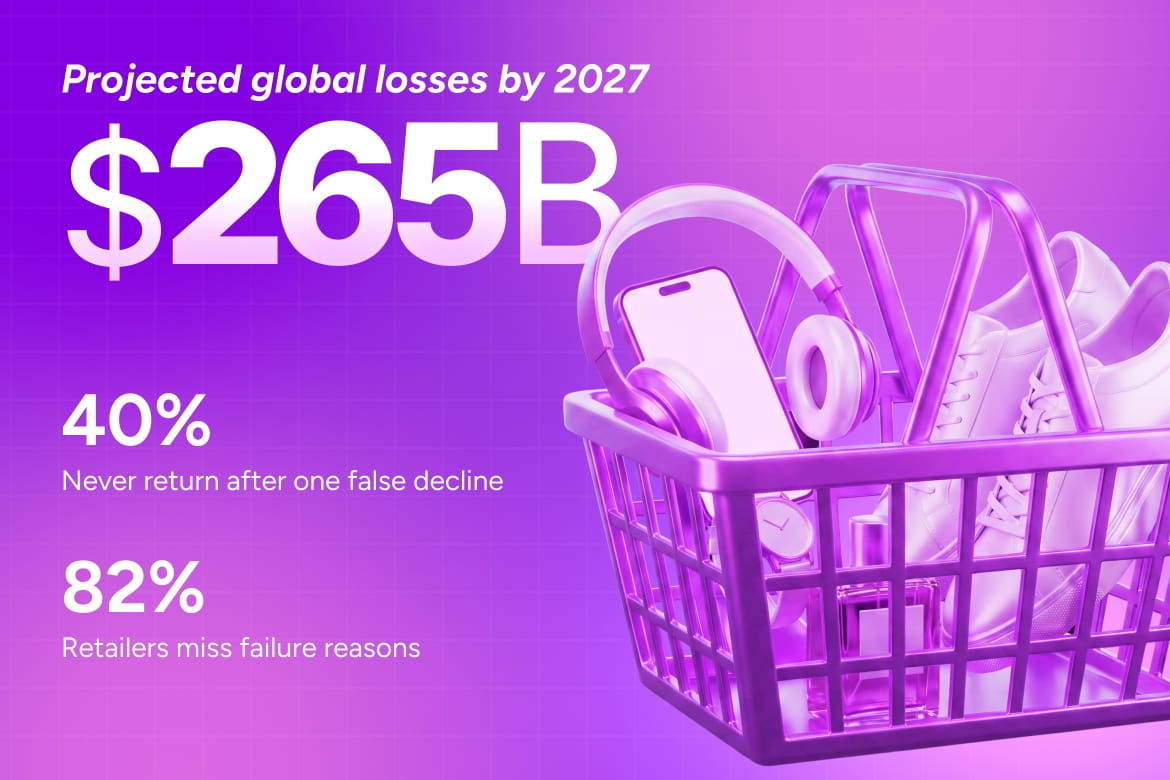
Fraud prevention must evolve to distinguish legitimate AI agents from malicious bots. A false rejection of a good agent can cost more than a fraud loss, as it drives customers to competitors. Verified identity turns agentic traffic from a threat into a revenue channel.
Frequently asked questions
What is agentic commerce and why is it important for fraud prevention?
Agentic commerce refers to purchases made by AI agents on behalf of consumers. It's important because AI agents now make up a large share of ecommerce traffic, and fraud systems must adapt to authenticate these agents while still blocking malicious bots.
How do current agent authentication protocols work?
Protocols like Stripe's Agentic Commerce Protocol and Visa's Trusted Agent Protocol use digital signatures to confirm that an agent is what it claims to be. However, these signatures validate the platform running the agent, not the identity of the human shopper behind it.
What are the three checks recommended for agentic commerce?
The three checks are: verifying the agent is what it claims, verifying there is a human behind it, and verifying that the action is authorized at that moment. These checks apply to both buyers and sellers on a marketplace.
Why is identity verification more important than just blocking bots?
Because AI agents can be legitimate customers, blocking all automation would reject good business. Instead, verifying the identity of the person behind the agent allows marketplaces to serve agents while still preventing fraud.
What is the risk of false rejections in agentic commerce?
A false rejection of a legitimate agent can lead to abandoned purchases and drive customers to competitors. At marketplace scale, even a small false rejection rate can result in thousands of frustrated customers contacting support.